

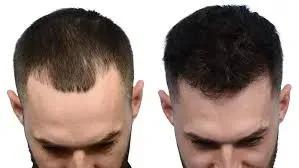
Yes, you can have a hair transplant without taking finasteride, and this approach works for many patients. A hair transplant no finasteride strategy focuses on surgically relocating DHT-resistant follicles to restore visible density in targeted areas.
The transplanted hair is typically permanent, even if you choose to avoid medication. What finasteride mainly affects is the preservation of existing, non-transplanted hair, not the survival of grafts. Understanding this distinction helps you set realistic expectations before moving into long-term planning.
Key Takeaways
You can have a hair transplant without finasteride. Transplanted hair follicles usually resist DHT and can grow permanently without medication.
Choosing a hair transplant without finasteride means the procedure will restore hair in treated areas. However, it does not stop thinning in untreated, natural hair.
Long-term success relies on careful surgical planning. This planning should consider future hair loss, especially if medication is not used.
Avoiding finasteride eliminates drug-related side effects, but it requires realistic expectations about density changes and the possible need for future procedures.
Understanding Hair Transplant Without Finasteride
A hair transplant with no finasteride option means you undergo surgery without using finasteride before or after the procedure.
Finasteride lowers hormone dihydrotestosterone DHT, which drives male pattern baldness in many men. Some patients prefer to avoid altering DHI levels and choose surgery alone.
This choice does not make hair transplants work less by default. Surgeons move resistant hair follicles from the donor area into the transplant area. These transplanted follicles usually resist DHT and continue to grow.
Why Some Patients Avoid Finasteride
Many patients ask about no finasteride after hair transplant plans. The reason often links to side effects. Finasteride can cause sexual, mood, or hormonal issues in a small group of users.
Common reasons include:
Past negative reactions to finasteride
Fear of long term medication use
Personal or medical contraindications
This choice requires realistic planning. Surgery restores transplanted hair, not untreated areas.
Can You Have a Hair Transplant and No Finasteride?
Many ask: can you have a hair transplant and no finasteride? The short answer is yes. Surgeons perform hair transplants every day on patients who decline medication.
A successful hair transplant depends on donor quality, surgical skill, and planning for future hair loss. Finasteride helps preserve native hair, yet surgery alone still restores density where grafts go.
Your surgeon must map areas at risk for loss in untreated areas. This step helps protect natural appearance over time.
How Hair Transplants Work Without Medication
Hair transplants work by relocating hair follicles that resist DHT. These follicles come from the back or sides of the scalp. Once moved, transplanted hair keeps its genetic resistance.
The process includes:
Extracting healthy hair follicles
Placing transplanted follicles into thinning zones
Allowing hair growth over several months
This approach supports hair restoration without altering hormones.
What Happens to Existing and Native Hair
Existing hair around the transplant area still reacts to hormone dihydrotestosterone DHT. Without medication, native hair may thin over time. This risk explains why doctors stress planning.
Loss in untreated areas can create contrast between transplanted hair and thinning native hair. Surgeons often recommend conservative hairline designs to manage future hair loss.
This strategy supports balanced long term results.
Hair Transplant No Finasteride Results Hair Restoration
Hair transplant no finasteride results hair restoration focuses on visible density in treated zones. Transplanted hair usually grows permanently. Patients often see growth starting around month three or four.
Full cosmetic results appear closer to 12 months post-transplant. The transplanted hair blends with existing hair when density planning stays realistic.
Medication does not affect the survival of transplanted follicles. Surgical precision matters more.
Hair Transplant No Finasteride Results and Hair Restoration Options in NYC
Hair transplant no finasteride results hair restoration depends on surgical precision and long-term planning rather than medication use.
Patients seeking hair restoration in NYC often choose this approach to restore density in specific areas while avoiding drug-related side effects.
The transplanted hair follicles are resistant to DHT. This helps hair grow steadily without changing DHT hormone levels. What matters most is designing the transplant area to blend well with the existing hair.
Future hair loss may still happen in untreated areas. This strategy helps achieve balanced, realistic outcomes over time.
Post Transplant Care Without Finasteride
Post transplant routines remain the same without medication. Patients must protect grafts and support healing. Hair growth depends on blood supply and proper care, not finasteride use.
Key post transplant steps include:
Keeping the scalp clean and dry
Avoiding trauma to the transplant area
Following surgeon wash and sleep guidelines
These steps protect transplanted hair during early healing.
Managing Future Hair Loss Without Drugs
Future hair loss remains the main challenge. Without finasteride, DHT continues to affect native hair. This fact does not undo a successful hair transplant, but it can change overall density over time.
Doctors may suggest non-drug strategies such as:
Conservative graft placement
Planning staged procedures
Monitoring changes yearly
This approach helps maintain balance as hair loss progresses.
Side Effects and Risk Comparison
Finasteride side effects vary by individual. Some tolerate it well, others stop quickly. A hair transplant with no finasteride plan avoids drug exposure altogether.
Surgical risks remain the same:
Temporary swelling or redness
Shock loss in nearby existing hair
Healing discomfort
These effects usually resolve with proper care.
Long Term Results and Expectations
Long term results depend on planning, not medication alone. Transplanted hair lasts for life in most cases. Native hair may continue to thin.
Patients who avoid finasteride must accept possible changes in density outside treated zones. Surgeons often reserve donor supply for future needs.
Clear expectations lead to higher satisfaction.
Does Finasteride Prevent Further Hair Loss Completely?
Finasteride prevents further hair loss in many men, yet not all. It slows progression rather than stops it fully. A hair transplant with no finasteride path trades drug control for surgical control.
Some patients accept future thinning as part of aging. Others plan second procedures if needed.
There is no universal answer. The choice depends on goals and tolerance.
Is a Hair Transplant Without Finasteride Still Successful?
A successful hair transplant does not require medication. It requires:
Skilled surgical technique
Accurate assessment of male pattern baldness
Thoughtful graft distribution
Many patients achieve natural density without finasteride. They focus on treating visible areas rather than halting every strand of loss.
This method suits patients who value autonomy and clear trade-offs.
Final Thoughts on Hair Transplant No Finasteride
Hair transplant no finasteride options remain valid and widely practiced. Surgery restores transplanted hair but does not change DHI levels. Native hair still follows genetic patterns.
You must weigh side effects, future hair loss, and long term goals. Have you considered how your hair may look in ten years? A clear plan today protects your results tomorrow.